Revolutionizing Design with Precision Metal Spinning Techniques
Understanding Precision Metal Spinning Techniques
The Basics of Metal Spinning
Metal spinning, a specialized form of metalworking, involves the process of shaping metal into cylindrical or other symmetrical forms. This technique employs a rotating metal disc, which spins on a lathe while a tool presses against it to produce the desired shape. The process begins with a flat metal blank, which can be made from various materials such as steel, aluminum, copper, or even bronze. As the blank spins at high speeds, the metal becomes malleable, allowing for precision shaping. The outcome often results in seamless, high-quality products with superior strength and durability compared to other metal forming techniques.
Key Tools and Equipment in Metal Spinning
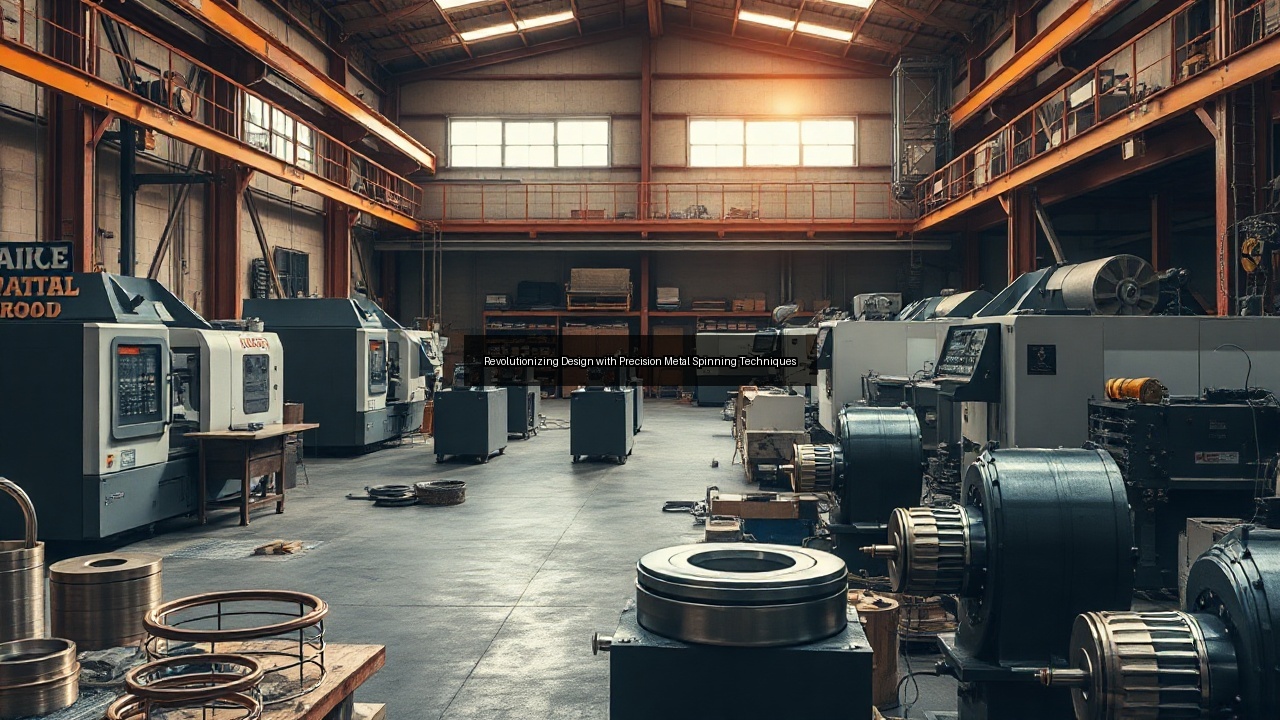
Precision metal spinning relies on specific tools and equipment to achieve accuracy and efficiency. The primary apparatus is the lathe, which provides the necessary rotation and control over the spinning process. A well-designed tailstock supports the metal blank during spinning, ensuring stability and precision. Additional tools include metal spinning tools, which consist of various shapes and sizes to create different profiles and diameters. CNC machining has revolutionized the industry by enabling automated control of these machines, allowing for intricate designs and consistent quality. Manufacturers often invest in advanced CNC equipment to enhance their metal spinning services, ensuring high standards in production.
Different Materials Used in Metal Spinning
Metal spinning accommodates a wide variety of materials, each offering unique properties and benefits. Common metals used in this process include aluminum, which is lightweight and corrosion-resistant; brass, known for its excellent machinability and aesthetic appeal; and carbon steel, valued for its strength and durability. Other materials, such as copper and tin, are also suitable for specific applications. The choice of material significantly impacts the final product's performance, appearance, and cost. For specialized applications, manufacturers may explore innovative alloys that combine the best characteristics of different metals, enhancing functionality in diverse environments.
Applications of Metal Spinning in Various Industries
Metal Spinning in Sheet Metal-Forming
Metal spinning plays a vital role in sheet metal-forming processes across various industries. This technique allows manufacturers to create complex shapes from flat sheets of metal, which can then be used in automotive parts, aerospace components, and consumer goods. The precision achieved through metal spinning ensures that the formed parts meet strict tolerances, making them ideal for high-performance applications. For instance, in the automotive industry, spun metal components can reduce weight without compromising strength, contributing to improved fuel efficiency. Additionally, the seamless nature of spun products eliminates the need for welding or joining, simplifying the fabrication process and enhancing structural integrity.
Gas Cylinders: A Case Study in Metal Spinning
Gas cylinders exemplify a practical application of metal spinning techniques. These cylinders require high strength and durability to safely contain gases under pressure. Manufacturers often use metal spinning to create the cylindrical body, which can be made from materials such as carbon steel or aluminum. The spinning process allows for precise control over wall thickness, ensuring consistent quality and safety. In addition to strength, the smooth surface finish achieved through metal spinning reduces the risk of corrosion, extending the lifespan of the cylinder. This combination of factors makes spun gas cylinders a preferred choice in industries ranging from medical to industrial gas storage.
Innovative Uses in Art and Design
Beyond industrial applications, metal spinning has carved a niche in the realms of art and design. Artists and designers leverage this technique to create unique sculptures, lighting fixtures, and decorative items. The ability to manipulate metal into intricate shapes allows for the production of stunning visual pieces that capture attention. Spun metal art often incorporates various materials, including bronze and copper, to achieve desired aesthetic qualities. Designers appreciate the versatility of metal spinning, which enables them to experiment with forms and finishes, resulting in one-of-a-kind creations. This artistic application showcases the beauty and potential of spun metal, blurring the lines between functionality and artistry.
The Advantages of Precision Metal Spinning over Traditional Methods
Efficiency in Manufacturing and Fabrication
Precision metal spinning offers remarkable efficiency compared to traditional metal forming methods such as stamping and casting. The spinning process reduces the number of steps required to create a finished product, leading to shorter production times. For manufacturers, this efficiency translates into increased output and the ability to respond quickly to market demands. Furthermore, metal spinning accommodates rapid prototyping, allowing companies to test designs and make adjustments swiftly. The ability to produce complex shapes without the need for extensive tooling reduces lead times, metal fabrication making it an attractive option for businesses seeking to streamline their manufacturing processes.
Cost-Effectiveness and Material Savings
Cost-effectiveness stands out as a significant advantage of precision metal spinning. This technique minimizes material waste, as the process shapes a metal blank without requiring excess trimming or cutting. Manufacturers benefit from reduced raw material costs, which can have a substantial impact on overall project budgets. Additionally, the durability of spun products often leads to lower maintenance and replacement expenses over time. Companies that invest in metal spinning services frequently find themselves with a more economical production method, enhancing their competitive edge in the market. This approach not only saves money but also contributes to a more sustainable manufacturing process by utilizing resources more efficiently.
Versatility in Design and Prototyping
Metal spinning's metal fabrication versatility in design and prototyping opens new avenues for innovation in engineering and manufacturing. This technique allows for the production of complex geometries that would be challenging to achieve through traditional methods. Designers can create prototypes with varying diameters and shapes, enabling rapid testing and iteration. The flexibility offered by metal spinning encourages creativity, as engineers can explore unique designs without the constraints imposed by other manufacturing techniques. This adaptability makes it an ideal choice for industries that demand frequent design changes or custom solutions, ensuring that manufacturers can meet diverse client needs.
The Future of Metal Spinning in Engineering and Manufacturing
Advancements in CNC and Automation
The future of metal spinning lies in continued advancements in CNC technology and automation. Manufacturers increasingly adopt CNC machines to enhance precision and repeatability in the spinning process. These machines allow for intricate designs and complex shapes to be produced with minimal human intervention, reducing errors and increasing production efficiency. Automation also streamlines workflow, enabling manufacturers to scale operations and meet growing demand. As technology evolves, the integration of smart manufacturing practices will further transform the metal spinning landscape, leading to greater innovation and improved quality across various industries.
Sustainability in Metalworking Practices
Sustainability has become a focal point in manufacturing, and metal spinning aligns well with eco-friendly practices. The process generates minimal waste compared to traditional methods, making it a more sustainable option. Additionally, the longevity of spun products reduces the need for frequent replacements, lowering overall material consumption. Manufacturers are exploring ways to incorporate recycled metals into their spinning processes, further enhancing sustainability efforts. As industries pivot towards greener practices, metal spinning stands out as a promising solution, appealing to environmentally conscious clients and stakeholders.
Emerging Trends in Alloy and Material Usage
The exploration of new alloys and materials represents an exciting trend in the field of metal spinning. Manufacturers are increasingly experimenting with advanced materials that offer enhanced properties, such as lightweight composites or high-strength alloys. These innovations open the door to new applications in industries like aerospace and automotive, where performance and weight are critical factors. As research continues, the development of specialized alloys tailored for specific applications will drive further advancements in metal spinning techniques. This ability to adapt and innovate will ensure that metal spinning remains at the forefront of engineering and manufacturing for years to come.
See Also
- Understanding the Role of Tailstocks in Efficient Metal Spinning Processes
- Exploring the Intricacies of Toroidal Shapes in Metal Spinning
- Crafting Custom Bearings through Advanced Metal Spinning
- The Art of Metal Spinning Exploring Creative Applications in Fabrication
- From Prototype to Production How Metal Spinning Shapes Modern Manufacturing