Metal Spinning vs Other Fabrication Methods Which is Right for Your Project
Understanding Metal Spinning
Overview of the Metal Spinning Process
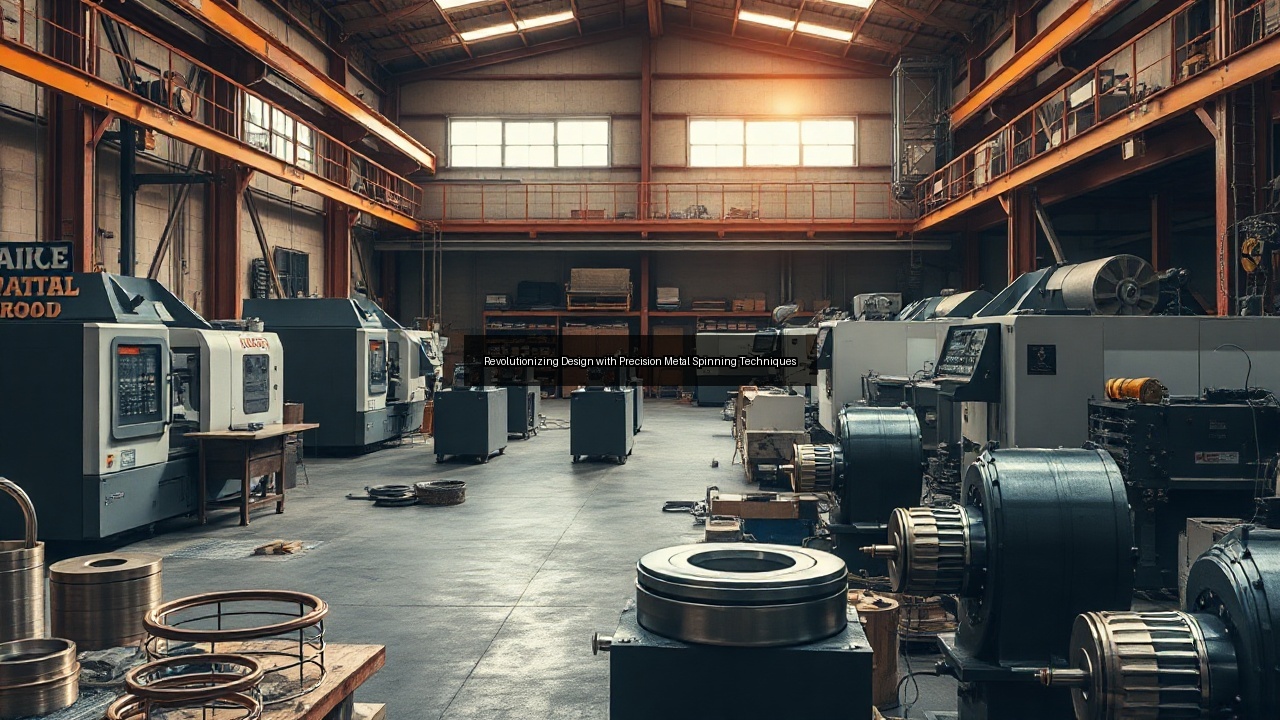
Metal spinning forms sheet metal into symmetrical shapes by rotating it at high speed against a mandrel while applying pressure with tools. Operators secure the metal blank between a tailstock and the spinning mandrel, then gradually shape it along the axis until the desired contour emerges. This sheet metal-forming technique handles materials such as carbon steel, copper, brass, bronze, and tin with precision. Workers often start with flat discs and finish with toroidal or conical profiles in a single setup. The process combines elements of metal turning and metalworking to deliver seamless parts without welds. Precision metal spinning services rely on both manual skill and CNC controls to maintain tight tolerances during each pass. Fabricators choose this method for prototypes because it requires minimal tooling compared to other metal fabrication approaches.
Key Benefits of Metal Spinning
Metal spinning delivers strong, lightweight components with smooth surfaces that need little secondary machining. The technique produces parts with excellent structural integrity because the grain flow follows the shape rather than being cut away. Manufacturers reduce material waste since spinning displaces metal instead of removing it, which lowers costs on alloys and specialty metals. Short lead times for prototypes make spinning attractive when engineers test new designs quickly. The process works efficiently on both small batches and medium production runs without expensive dies. Fabricators achieve complex curves and varying wall thicknesses in one operation, something many metal forming methods cannot match. Overall, spinning supports rapid iteration while maintaining consistent quality across diameters and axis alignments.
Applications of Metal Spinning in Various Industries
Engineers apply metal spinning across aerospace, automotive, and industrial equipment where rotational symmetry matters. Gas cylinders benefit from the seamless construction that spinning provides, eliminating leak paths common in welded assemblies. Lighting manufacturers rely on spun metal reflectors and housings for uniform light distribution and clean aesthetics. In chemical processing, spun components handle corrosive fluids when made from copper or stainless alloys. Agricultural machinery uses spun pulleys and housings for durability under heavy loads. Medical device companies prototype equipment enclosures with spinning because the method preserves material strength. Artists and designers also adopt spinning for decorative bowls, vases, and sculptural elements that require precise curves and polished finishes.
Comparison with Other Fabrication Methods
Metal Spinning vs CNC Machining
CNC machining removes material from solid stock to create parts, while metal spinning forms sheet metal through rotation and pressure. Spinning preserves more of the original material strength because it avoids cutting across grain lines. Machining offers greater flexibility for asymmetric or highly detailed features that spinning cannot produce on a single axis. However, spinning generates less waste and finishes parts faster when the design fits rotational symmetry. Engineers often combine both methods: they spin a rough shape then machine critical surfaces for tight tolerances. Metal spinning services typically cost less for large-diameter components because tooling remains simple. In contrast, extensive CNC programming and fixturing raise expenses on bigger projects.
Metal Spinning vs Roll Forming
Roll forming passes long strips of metal through successive rollers to create linear profiles such as channels or tubes. Metal spinning focuses on closed, circular shapes that roll forming cannot achieve without additional operations. Spinning handles varying diameters and wall thicknesses in one setup, whereas roll forming excels at consistent cross-sections along extended lengths. Fabricators choose spinning for parts like gas cylinders or lighting fixtures that require smooth, seamless surfaces. Roll forming works better for structural beams or frames where straight lengths dominate. Both processes support high-volume production, yet spinning provides superior strength in curved sections because the metal flows continuously rather than being bent repeatedly.
Metal Spinning vs Stamping and Casting
Stamping uses dies to cut and form flat metal in a press, which suits high-volume flat or shallow parts but struggles with deep draws or complex curves. Casting pours molten metal into molds, creating intricate internal features at the expense of surface finish and material density. Metal spinning bridges these gaps by forming solid, seamless shapes from sheet stock without the porosity sometimes found in castings. Stamping requires costly progressive dies for each design change, while spinning tools adapt quickly. Casting handles very thick sections that spinning cannot reach, yet spinning delivers lighter, stronger parts for applications needing rotational symmetry. Manufacturers evaluate each project based on volume, material type, and final geometry before selecting the right fabrication route.
Selecting the Right Method for Your Project
Factors to Consider: Material Types and Alloys
Metal spinning accommodates a wide range of metals including carbon steel, stainless alloys, copper, brass, bronze, and aluminum. Each material responds differently to the forces applied during spinning, so fabricators adjust feed rates and lubrication accordingly. Softer metals such as copper and brass spin easily into intricate shapes with minimal springback. Harder alloys demand slower speeds and stronger tooling to avoid cracking along the axis. Engineers review material thickness and diameter early because thin sheets may wrinkle while thick plates require more powerful equipment. Compatibility with downstream processes like welding or plating also influences alloy choice. Companies that offer precision metal spinning services maintain inventories of common metals to shorten prototype timelines.
Design Considerations: Diameter and Axis
Successful metal spinning designs center on rotational symmetry around a single axis. Parts with consistent diameters and smooth transitions spin cleanly, while sharp corners or abrupt changes increase the risk of tearing. Maximum part diameter depends on available equipment, though many shops handle components up to several feet across. Wall thickness can vary intentionally along the profile, allowing weight reduction without sacrificing strength. Engineers specify tolerances for both inside and outside surfaces because the spinning tools contact one side while the mandrel supports the other. Adding flanges or beads at the open end improves rigidity. Early collaboration with a manufacturer helps refine these details before tooling begins.
Cost Analysis: Budgeting for Fabrication
Metal spinning keeps costs low for prototypes and short runs because it avoids expensive dies required by stamping or casting. Tooling consists mainly of the mandrel and tailstock, which fabricators machine from wood, plastic, or metal depending on volume. Material utilization remains high since spinning displaces rather than removes metal, reducing scrap expenses on costly alloys. Labor represents a larger portion of the total when manual spinning is used, yet CNC spinning lowers this factor on repeat orders. Lead times for initial parts often fall under two weeks, allowing quick validation before committing to larger production budgets. Companies compare total project costs across methods rather than focusing solely on unit price.
Industry-Specific Applications of Metal Spinning
Metal Spinning in Lighting Design
Lighting manufacturers depend on metal spinning to create reflectors, shades, and housings with precise parabolic or conical forms. The process produces smooth interior surfaces that direct light efficiently without additional polishing. Spun metal parts accept various finishes including powder coating, anodizing, and plating to match architectural requirements. Large-diameter fixtures benefit from spinning because the method maintains consistent wall thickness across wide spans. Designers achieve distinctive aesthetics by combining multiple spun elements along a common axis. Custom lighting projects move from concept to prototype faster when spinning services handle the fabrication.
Gas Cylinders and Other Industrial Uses
Gas cylinders formed by metal spinning feature seamless bodies that withstand high internal pressures without weak weld seams. The process allows precise control over wall thickness, concentrating material where stress is highest. Industrial equipment such as pressure vessels, funnels, and hoppers also rely on spinning for corrosion-resistant construction from stainless or coated alloys. Fabricators produce these components in diameters that suit standard fittings and valves. Spinning supports rapid production of replacement parts when existing equipment requires upgrades or repairs. The resulting cylinders pass rigorous testing because the formed metal retains uniform strength throughout.
Artistic Applications: Spun Metal in Sculpture and Decor
Artists and metalworkers use spinning to craft sculptural bowls, vases, and abstract forms that highlight the natural flow of metal. The technique allows exploration of toroidal shapes and compound curves difficult to achieve through other fabrication methods. Decorative pieces gain elegance from the smooth transitions and reflective surfaces produced during spinning. Craftspeople combine spinning with further metalworking techniques such as chasing or patination to add texture and color. Galleries and interior designers commission custom spun metal works because each piece carries unique tool marks that distinguish it from mass-produced items. The process bridges traditional metalworking craft with contemporary design.
Finding the Right Manufacturer for Your Needs
Evaluating Metal Spinning Services
Companies seeking metal spinning services should review a manufacturer’s equipment list, material capabilities, and past project examples. Look for shops experienced with both manual and CNC spinning to match project complexity. Quality certifications and inspection processes indicate consistent output across prototypes and production runs. Customer references help verify on-time delivery and clear communication throughout the fabrication cycle. A capable manufacturer maintains a range of mandrel materials and can recommend design adjustments that improve manufacturability without compromising function.
Questions to Ask Potential Manufacturers
Ask about maximum diameter capacity, typical wall thickness ranges, and material inventories before committing to a project. Inquire how the shop handles design changes during prototyping and whether they cnc metal spinning provide engineering support. Discuss surface finish expectations and any secondary operations such as machining or welding that may follow spinning. Clarify ownership of custom tooling and storage policies for future orders. Request sample lead times for similar parts to set realistic schedules. These questions reveal whether a manufacturer aligns with specific project requirements.
Understanding Lead Times and Prototyping Processes
Metal spinning prototypes often complete within one to three weeks once designs are finalized. The process begins with mandrel fabrication, followed by trial spins to verify fit and finish. Manufacturers iterate quickly because tool modifications involve simple adjustments rather than new dies. Production lead times shorten after approval because the same mandrel serves multiple parts. Companies that maintain in-house CNC capabilities accelerate both prototyping and scaling. Clear communication on material sourcing and inspection checkpoints keeps projects on track from initial quote through final delivery.
See Also
- From Concept to Creation How Metal Spinning Transforms Prototyping
- Sustainable Metal Spinning Practices for Eco-Friendly Manufacturing
- Exploring Precision Metal Spinning Techniques for Manufacturing Excellence
- The Role of CNC Technology in Revolutionizing Metal Spinning
- Unveiling the Art of Metal Spinning for Innovative Design Solutions